
Oral History and Its Preservation of Black History
History is an integral part of humanity. It’s made in the memories we hold, the actions we take, and how these affect the memories of others surrounding us which can be cherished or forgotten. History, however, is often viewed in a narrow context, of simply being events learned about in class and recorded in textbooks. These events came about from minor decisions that seemingly changed the course of life for better or worse within a short period of time. That is far from the reality of every day life.
These events are selected, summarized, and compiled to give a broad and understandable perspective of the past. But this approach lacks context from individual people who were living their ordinary lives when these events happened, some more vocal than others in their desire to see change. The quieter voices and actions were drowned out, forgotten, or ignored. Their names, their families, their humanity vanished without a trace. The contribution of oral history aids in combating this issue.
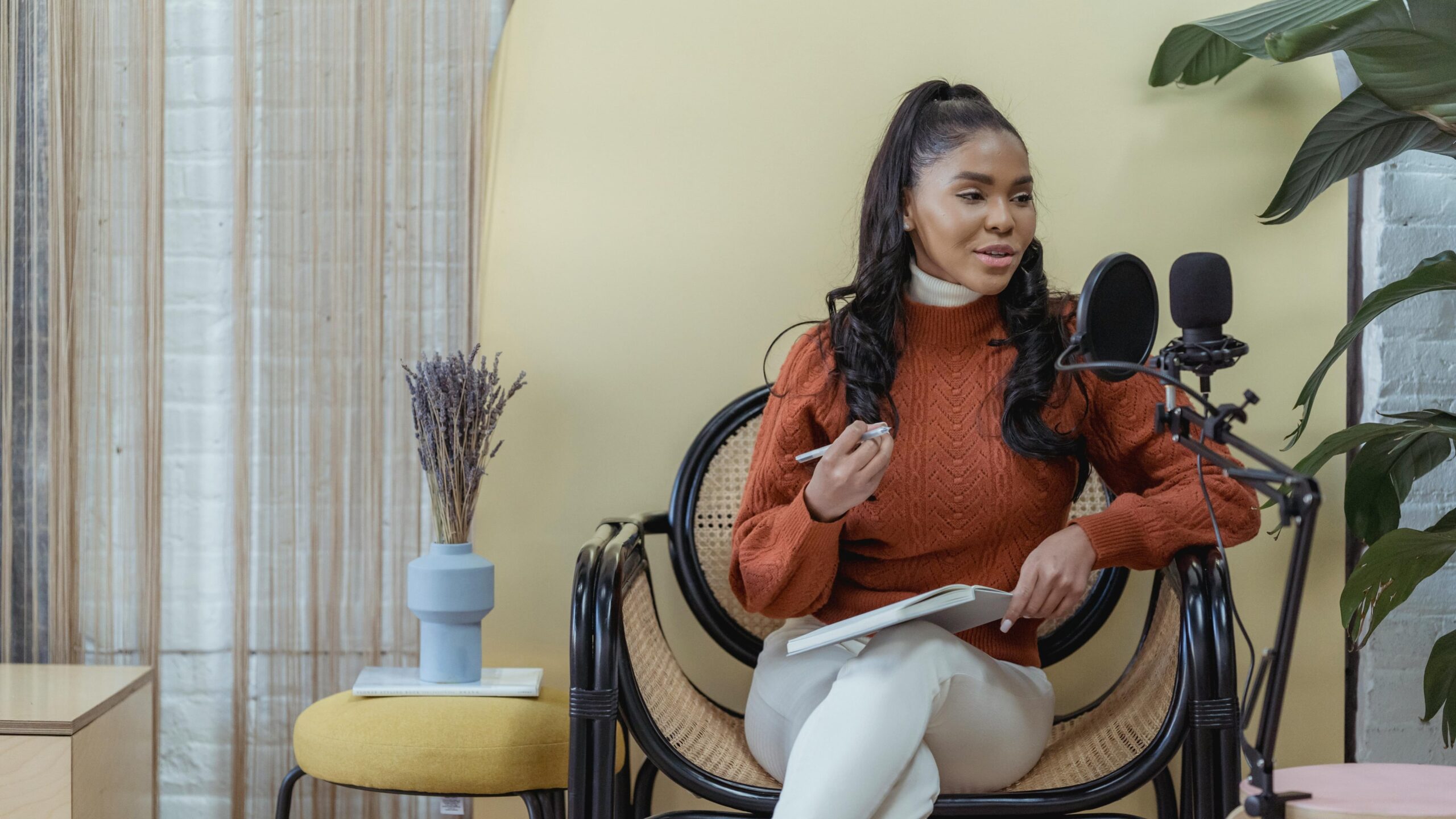
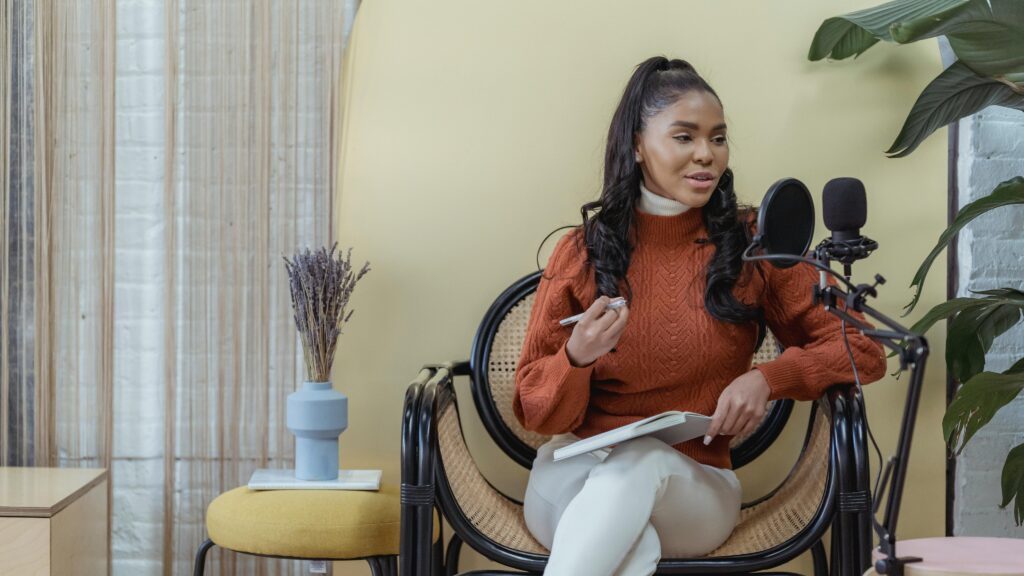
According to oralhistory.org, oral history is “a field of study and a method of gathering, preserving and interpreting the voices and memories of people, communities, and participants in past events.” It requires a person or people of interest and a curious interviewer with good intentions. In today’s world, it’s more possible now than ever for people to interview their elder relatives and friends. That way, the lives and memories of these elders will be kept alive while also adding personal accounts to many periods of history which seemed so far away and dissimilar to the present.
I first learned about oral history over a year ago in my junior year of college. It was a project that we were assigned as part of the curriculum to learn about Black writers, how their writing commented on the world at the time, and how it continues to apply to modern issues. I was intimidated initially at the assignment because it required getting out of my comfort zone and speaking to my family about topics which they probably wouldn’t want to talk about. Regardless, I didn’t want to fail so I chose to interview my grandfather.
He was 92 at the time, and he loved to talk. He’d talk to anyone who came by his house to visit for hours, talking about life before and what new things were going on around town. He was glad to help me out with my project, and I got to learn things about life and him that I never would’ve imagined. It ranged from the foods he ate (I didn’t know eating cornbread and milk together was a thing) to his experience in school and working with his father in the fields.
Unfortunately, he passed away earlier this year. Though it is not equal to having him in person, I’m glad that I had the opportunity to preserve even a handful of his life and wisdom that I can come back to. I look forward to adding more interviews with my family to create an archive of our history to share with our future generations.
Oral history isn’t reserved only for family members. It can be conducted with people in the community, people in class or at work, and also people in interesting or admirable situations. The most important thing to keep in mind is to respect the boundaries of the person or people being interviewed. They should be asked if they are comfortable or uncomfortable with certain aspects such as the topics of discussion or even if they want to be recorded. Respect and integrity are the keys to building relationships and rich oral histories that will last for years to come.